

Flat-Faced (Brachycephalic) Dog Breeds.
Brachycephalic dogs — often affectionately known as flat-faced dog breeds — have become one of the most talked about groups of dogs in the UK. Their distinctive short, wide skulls and flattened muzzles give them a “cute” appearance that many people find appealing. However, this same physical conformation can predispose these dogs to significant health and welfare problems – challenges that have sparked both veterinary concern and public debate in recent years.

Despite increased awareness of the health problems in flat-faced dog breeds, their health and welfare still remains a significant problem. While the desire for flat-faced breeds is declining – in a study carried out by the Royal Veterinary College still over 25% own a brachycephalic breed of dog.
In recent decades, flat-faced dogs — particularly French Bulldogs, Pugs and Bulldogs — have seen huge rises in popularity in the UK. Their appeal is often linked to their distinctive looks, manageable size, and suitability as companion animals in urban and family settings. Celebrity ownership, social media, and advertising have also helped boost demand for these breeds.
Thankfully, trends may be shifting. Recent statistics show that registrations of several top brachycephalic breeds have declined, suggesting changing attitudes among some prospective owners. As of 2026, the miniature Dachshund has become the most popular dog breed in the UK, knocking the French Bulldog off the top spot. However, dachshunds are not without their own health concerns as the British Veterinary Association explains.
What Does “Brachycephalic” Mean?
The term brachycephalic describes a skull shape characterised by a broad, short appearance, which leads to a flattened face and reduced muzzle length. While numerous dog breeds fall into this category, the feature is most exaggerated in a select group of popular companion breeds such as French Bulldogs.

This skull structure can cause crowding of the nasal passages and throat. As a result, this can lead to Brachycephalic Obstructive Airway Syndrome (BOAS) — a condition that can make everyday breathing and exercise difficult for the dog. Typical signs of BOAS include noisy breathing, exercise intolerance, snoring, and increased risk of overheating. While many find these signs to be almost endearing features, they do in fact cause serious health and welfare issues.
Common Brachycephalic Breeds in the UK.
A variety of breeds are classed as brachycephalic. In the UK, well-known examples include:
French Bulldog – long heralded as one of the UK’s most popular breeds.
Pug – small but with a very flat face.
English Bulldog – iconic but frequently affected by respiratory and birthing problems.
Boston Terrier and Shih Tzu – smaller brachycephalic breeds also common in households.
Cavalier King Charles Spaniel, Boxer, Pekingese and Brussels Griffon – among other breeds with varying degrees of brachycephaly.
What are the Health and Welfare Concerns of flat-faced dog breeds?
Breathing Difficulties
At the heart of many brachycephalic health problems is BOAS — a syndrome caused by physical abnormalities like narrowed nostrils, soft palates and restricted airways. This makes normal breathing effortful and can lead to reduced exercise tolerance and heat intolerance.
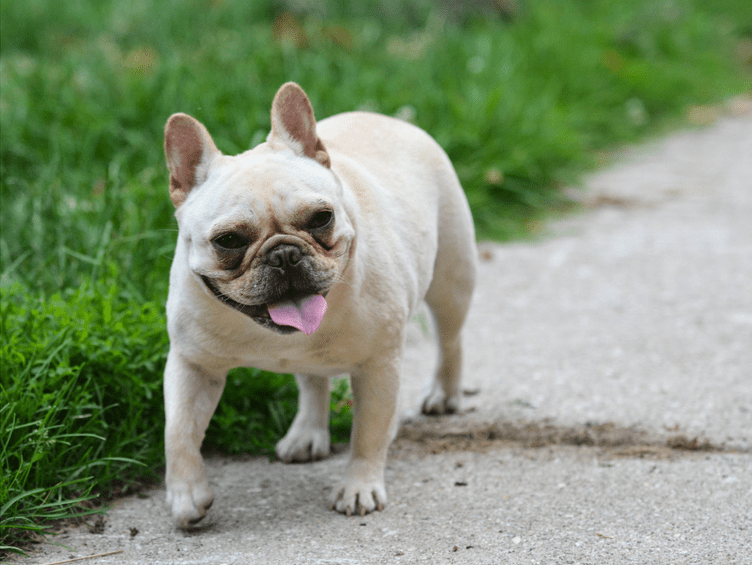
Many brachycephalic dogs also suffer from:
Eye issues due to protruding eyes
Skin fold infections around facial wrinkles
Difficulty giving birth — English and French Bulldogs commonly require caesarean sections because of skull size relative to birth canal dimensions.
Dental and neurological problems linked to skull shape and compression.
These issues can mean frequent veterinary visits and higher lifetime care costs. It still remains an important task to encourage responsible ownership and awareness. In addition, it’s crucial to make use of existing health screening tools which assess a dog’s likelihood of breathing problems and other health conditions.
Final thoughts.
For prospective dog owners in the UK, understanding the health implications of brachycephalic breeds is critical. Potential owners are encouraged to:
Research breed-specific health issues carefully
Consult veterinarians before purchase
Consider adopting from rescues or choosing healthier breeds if lifestyle suits
Seek out reputable breeders who prioritise health over extreme appearance.
Choosing a companion dog is a long-term commitment. In the case of brachycephalic breeds, that means weighing cuteness and charm against potential health challenges and welfare considerations.