


The Hungarian mudi was recognised by the UK kennel club on July 1st (2025). The mudi is a rare Hungarian breed with a long history as a herding dog. To find out more about this striking breed of dog – read our Holidays4Dogs article.
The Hungarian mudi (pronounced ‘moodie’) is a herding dog that, according to the kennel club, dates back to around the 18th Century. Unsurprisingly, they originate from Hungary in central Europe. Th Hungarian mudi has strong herding abilities and distinctive features.
The mudi will take the total number of recognised pedigree dogs in the UK to 225. However, they will initially be classified in the pastoral group on the imported register. Until an official breed standard has been drawn up, they won’t be eligible to compete at official shows just yet.
What do mudis look like?
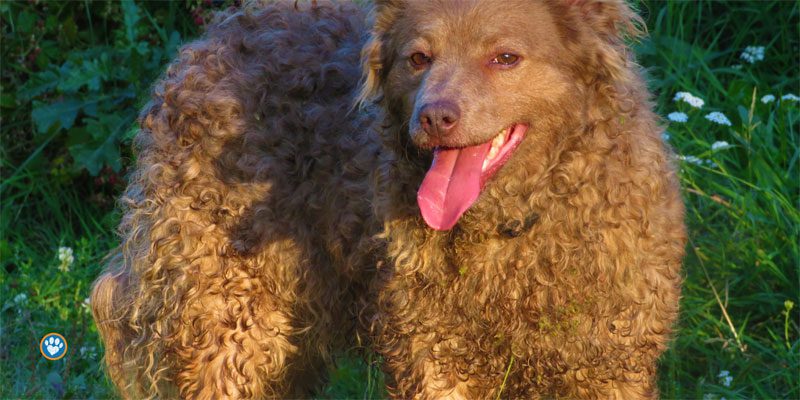
The mudi has a curly coat of medium length. They are born with different tail lengths ranging from bob-tail to full length tails. Coat colours include fawn, black, brown, merle and brindle. Adults stand around 14 – 18 inches high and weigh about 18 -29 lbs.
Do mudis make good pets?
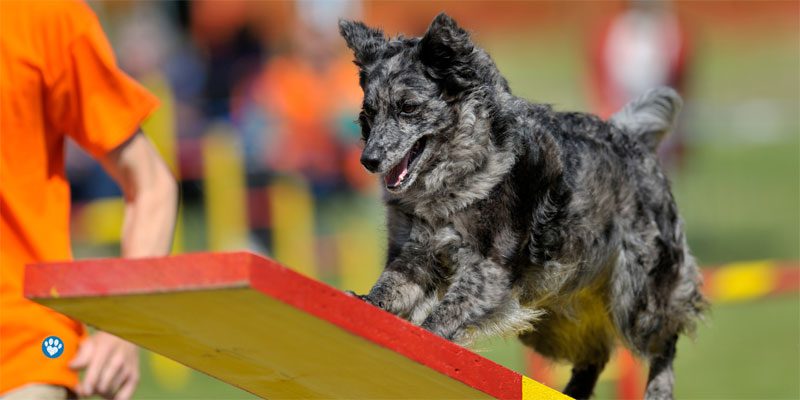
This breed of dog has a tremendous amount of energy and need a lot of exercise. Their energy levels are similar to other herding dogs like border collies and German shepherds. In addition, Hungarian mudis are also highly intelligent and thrive on mental stimulation and activities. They excel in dog sports such as obedience, agility, tracking and herding events.
Much like collies, they are quick, fast and mentally razor sharp. They are affectionate and loyal, but they must have plenty of company, physical exercise and a ‘job’ to do.
What is the history of the Hungarian mudi?
Mudis weren’t identified as a breed until 1936 in Hungary, when they were commonly known as ‘driver dogs’. They are closely related to the Hungarian pumi and puli.
After World War 11, Hungarian mudis faced near extinction. However, after this period, a group of enthusiasts set out to reinstate the mudi as a recognised dog breed. By 1966, they were recognised with FCI, then the American kennel club in 2022 and finally, the UK in July 2025.
Where can I buy a mudi puppy?
Hungarian mudis are a relatively rare breed, particularly here in the UK. There are only a few thousand worldwide. Therefore, if you’re looking to purchase a puppy, it is likely you will have to go on a waiting list.
Chloe Bibby, from the Wirral, owns Hungarian Mudis and competes in Flyball, herding and agility with her dogs. You can find her website here. Chloe describes mudis as, “quirky dogs with a ton of personality” – which sounds like an excellent description of these lovely working dogs.
There is a Facebook page for the Hungarian mudi club in the UK – link here.
Mudis should be tested for congenital diseases affecting the hips, elbows, patella and eyes.