


Cleaning Your Dog’s Teeth – How Do I Keep My Dog’s Teeth Clean?
Keeping your dog’s teeth clean is an important part of making sure your dog is happy and healthy. Oral disease in dogs is more common than in humans. Teeth and gum problems can be painful for dogs, as well as, potentially expensive, for owners. Keeping your dog’s teeth clean can help guard against oral disease. Holidays4Dogs looks at the best ways to keep your dog’s teeth clean.
Oral health care is just as important for our pets as it is for us, but not everyone can clean their dog’s teeth daily with a toothbrush. Not all dogs will tolerate this indignity. As a result, many new puppy owners don’t think to get their pup used to having his, or her, teeth cleaned in the early days.
Unfortunately, this can mean that, by the time the dog is an adult, they have no experience of having their teeth cleaned. This then, makes the process too difficult for the average pet owner to handle.
Gum disease occurs more readily in dogs, so cleaning is important.
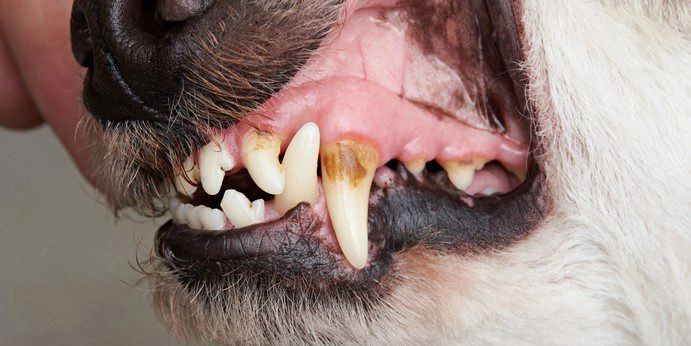
Vets recommend cleaning a dog’s teeth as often as possible. Most dogs can be trained to tolerate this happily, especially if they are positively introduced to the procedure as puppies. While dogs generally don’t suffer from tooth cavities, they do gradually build up a layer of tartar – which can lead to gum disease. Certain breeds, particularly smaller dogs, can be more susceptible to dental disease and these include, Yorkshire terriers, poodles and pugs.
Regularly inspect your dog’s teeth and gums.
It’s vitally important to inspect a dog’s teeth regularly to check there is not a build-up of tartar, or any evidence of inflamed, or bleeding gums. If this is the case, it’s essential to take your dog to the vet to reduce further risks of complications. If left untreated, dental disease can lead to more severe problems throughout the body.
For example, mouth bacteria can spread to the heart causing inflammation of the lining of the heart, which can potentially lead to a stroke or, in some cases, heart failure. While this is not common, it is certainly something to consider when considering how best to maintain healthy gums and teeth in pet dogs.
While vets recommend regular cleaning with a toothbrush and dog toothpaste, there are other things you can do to help maintain healthy teeth and gums in your dog.
The importance of a good diet for healthy teeth and gums.
Diet is an important factor in making sure your dog’s teeth stay bacteria-free. A poor diet can exacerbate tooth and gum disease. Contrary to popular belief, a dried food diet does not necessarily help to keep teeth healthy.
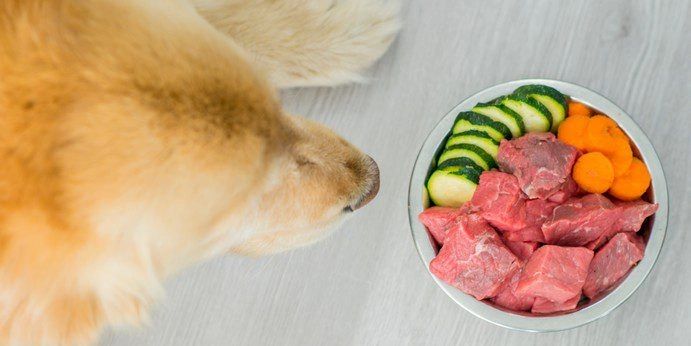
Highly processed complete dog foods are associated with, not only dental problems but with canine obesity – both of which are on the increase. Many processed foods are high in sugars and carbohydrates which readily provide bacteria with nourishment to multiply. Dogs should never eat sugary human foods.
Also, don’t forget, some human foods are toxic to dogs. Refined foods, commonly fed to domestic pets, are not always good news for the health of teeth and gums.
Some argue the process of brushing a dog’s teeth, (and ignoring the significance of diet) is perpetuating poor diets in our dogs, which ultimately leads to gum disease and expensive trips to the vet.
Top tips for maintaining good oral health in dogs –
Toothbrush and toothpaste for dogs.
Never use human toothpaste when cleaning your dog’s teeth. Some human toothpaste can contain very high sodium levels, which is not good for dogs. Others contain xylitol – an artificial sweetener – and fluoride, which is toxic to dogs.
Always purchase toothpaste which is specifically made for dogs. You can also purchase soft toothbrushes and rubber finger thimbles specifically designed for cleaning pet teeth. Some products don’t require a toothbrush. Non-brush toothpaste is applied to the dog’s teeth and gums with your finger. (Although you can use a brush if you want). These products inhibit enzymes responsible for tooth decay, as well as guarding against bad breath.
Consider changing your dog’s diet.
Processed foods can be full of all sorts of bad things which impact the health of teeth and gums. Feeding a diet of raw meaty bones and appropriate vegetables can help prevent dental disease in dogs – (and cats).
In short, anything that is not full of starch, or carbohydrates, will have a positive impact on teeth and gum health. Be wary of grain-free diets, because they do not necessarily mean carbohydrate-free.
Instead, grain is substituted with potatoes, peas or apples – all of which are a source of carbohydrates. If feeding processed foods, look for products that are rich in meat-based protein and low in carbohydrates.
Supplements for healthy teeth and gums.
There are supplements on the market that can help support healthy teeth and gums in pets. Some products can be added to your dog’s drinking water to help break down enzymes that cause plaque. Some also contain zinc which helps to control tartar build-up.
Dental chews.
Dogs love to chew. There are lots of dental chew toys on the market which will help to remove particles and plaque from your dog’s teeth. Make sure you purchase one suitable for your dog’s age, size and breed. Also ensure it is manufactured from quality materials, is pliable and non-abrasive on the gums.
Raw meaty bones.
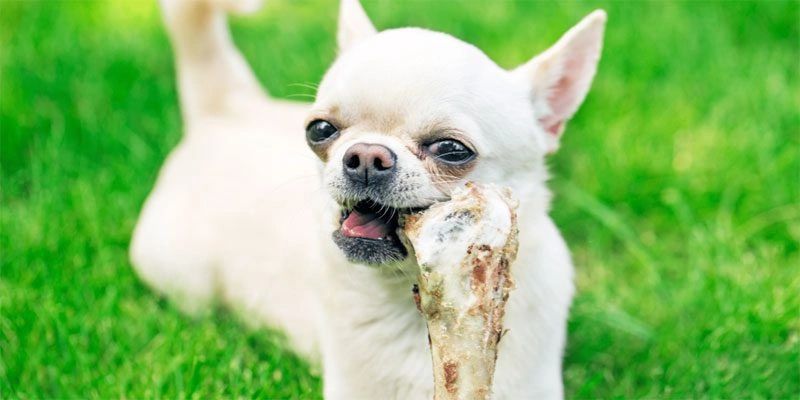
These are great for cleaning your dog’s teeth naturally. Knucklebones can be purchased at pet shops and online and will help buff your dog’s teeth – helping to keep plaque at bay.
Important: NEVER give your dog cooked bones.
Healthy treats and snacks.
There are many dog-friendly fruits and vegetables you can give to your dog. These include carrots, apples, squash and pumpkin – (remove the seeds, though). All of these will help to rub nasty deposits from your dog’s pearly whites. Always choose healthy treats. There are many available to purchase that will help remove the build-up of plaque.
Keeping your dog’s mouth, teeth and gums healthy is an important aspect of dog owning. We hope our suggestions for cleaning your dog’s teeth, will keep those canines (and molars!) happy 🙂