

Livestock Worrying And The Law.
A report from the National Farmers Union rural insurance company has stated that livestock worrying by dogs has increased to record levels. Between 2015 and 2018, livestock worth 3.5 million pounds died as a result of dog attacks. Numbers of dog attacks on livestock are growing. There is definitely a need for more rigorous legislation to protect farming communities and their livestock and new, tougher, legislation will come into force in March 2026. Holidays4Dogs investigates.
Concerns about livestock worrying meant that NFU mutual called upon the Government to update the Dangerous Dogs Act to address alarming statistics. A report by the National Sheep Association in 2022 confirmed that livestock worrying is still a significant problem for the farming community. Their report found that 87% of responding farmers had experienced dog attacks on their flocks. The National Police Chief’s Council (NPCC) supports new tougher legislation in England and Wales which will effectively tackle the problem of livestock worrying.
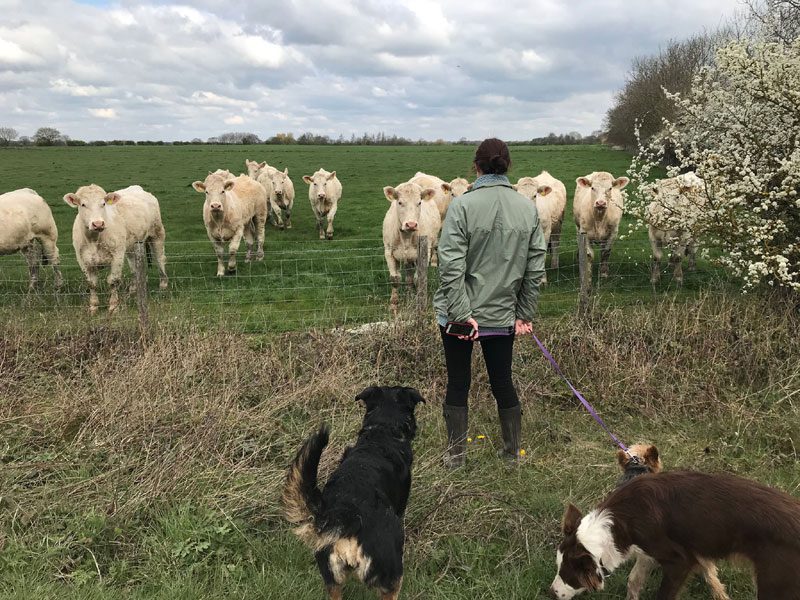
What is the current law on livestock worrying and how will this change?
Under current law, police are often unable to pursue successful legal action against owners who allow their dogs to attack sheep and other farm animals. However, livestock worrying is a criminal offence punishable by fines and even imprisonment. See our other Holidays4Dogs article on 7 laws dog owners need to be aware of here.
Under new laws coming into force on March the 18th 2026 – these fines will rise from £1,000 to an unlimited amount. In addition, police will have more powers to seize dogs found worrying sheep and trace the owners. Dogs may be detained ( for which the owner must pay expenses ) and where police have reasonable grounds to believe a dog attack or worrying has taken place, they will have powers to take samples and impressions. They will also have powers to search premises for dogs they believe have been worrying livestock. Finally, other animals will be included such as game birds and llamas.
Research conducted by NFU found that 80% of dog owners walked their dogs in the countryside, with 60% of those allowing their dog off the lead. 7% of dog owners admitted that their dogs had chased livestock in the past. However, in reality, this figure is likely to be much higher.
What is the impact of livestock worrying?
For small scale farmers, in particular, the impact of livestock worrying is hugely detrimental. While insurance may cover some costs of replacing animals, there is potentially an impact on future breeding programmes which can take a number of years to rectify.
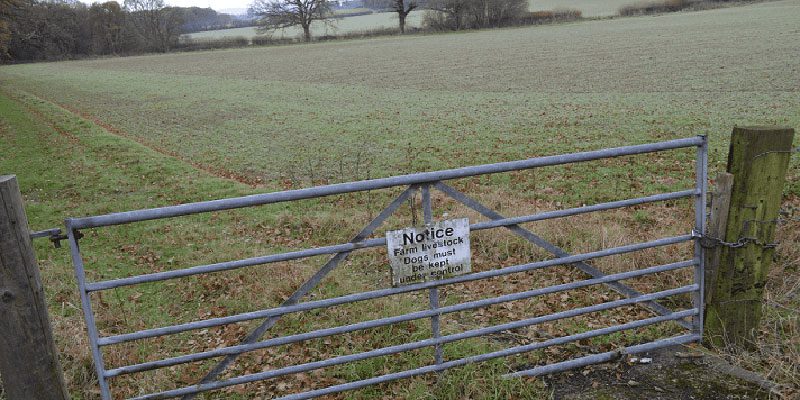
For dog owners, it is vitally important to keep dogs on the lead around livestock. The mere presence of a dog can be enough to spook pregnant ewes, for instance. The stress can often induce premature birth, or abortion. The situation can be worse if there are two, or more dogs, involved.
Farmers are advised by the NFU to keep livestock away from public footpaths, but this is not always practical.
Livestock worrying is distressing for all concerned. However, it is easily avoidable by simply keeping dogs on a short leads, even when some distance away from livestock. The financial implications are not the only factor to consider however.
Sheep worrying is upsetting enough for farmers, but also very distressing for dog owners. Many are horrified to find their family pet is capable of injuring, or even killing, farm animals.
Ensure this never happens to you. Keep your dog under proper control on a short lead whenever you are near livestock of any kind.
 Advice for dog owners.
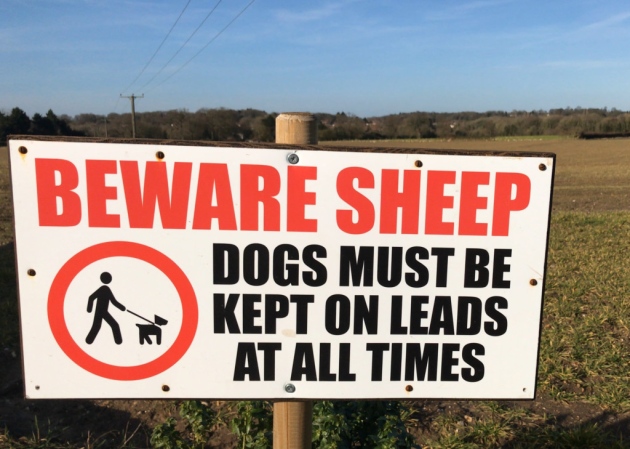
- Keep dogs on a short lead when walking them in rural areas where livestock are kept. This also includes where there is an abundance of wildlife, or nesting birds.
- Be aware that, even small lap dogs can attack and frighten livestock. A DOG DOES NOT HAVE TO MAKE PHYSICAL CONTACT TO COMMIT AN OFFENCE UNDER THE NEW LAWS.
- Report attacks by dogs and sightings of dogs roaming the countryside to local farmers, or the police.
- Familiarise puppies with farm livestock from a young age to reduce the risk of them attacking sheep, or cattle, as adult dogs.