

Weight-Loss Drugs For Dogs – The Next Big Thing In Pet Health?
Weight-loss drugs are increasingly being discussed as a possible solution to growing numbers of obese pets. The idea is far from mainstream – yet. However, scientists and pharmaceutical firms are researching the possibilities of slimming drugs for pets. Read our Holidays4Dogs article to find out more.

Modern health and well-being management in people – better screening processes, new medications and well-being programmes – has very much crossed over to pet health too. Many veterinary practices boast advanced diagnostic techniques traditionally used in human medicine and many owners now prepared to pay for such advanced health solutions for the four-legged members of their family.
Why is the idea of weight-loss treatments for dogs, gaining traction?
Obesity is a significant and global health problem. Globally, 1 in 8 people are overweight and the situation crosses over to pets too. Mirroring this human trend of obesity means that, in countries like the UK, around half the population of dogs (and cats ) are overweight. More veterinary practices are reporting an increase in overweight pets, which is a distinct welfare concern.
Why are dogs getting fatter?
Dogs have become more humanized in recent decades. As a result, many dogs are getting less exercise – (perhaps due to people’s long working hours? ). In addition, they are also getting calorie-rich diets and unsuitable human food and treats. These factors are leading, all too often, to obesity. In turn, this can lead to health problems like diabetes, arthritis and reduced life expectancy just as it does in humans.

With the success of drugs like Ozempic and Mounjaro, which help people to slim down – scientists are now delving into the idea that a similar drug could help pets. The US pet obesity management market is expected to grow to between $14.5 and $17.3 by 2030 to 2034.
What weight-loss drugs are available for dogs currently?
Currently, there are no approved weight-loss drugs for dogs available in the UK. Historically, there was one drug called Slentrol which was developed by Pfizer and launched in 2007. However, it was withdrawn from the market due to unpleasant side-effects and many owner’s reporting their dogs lost their appetite altogether. Poor performance and lack of demand was Slentrol’s demise.
It is unlikely slimming drugs will become available for dogs until beyond 2028, since research is still in progress. In human weight-loss drugs, the medication mimics the natural human hormone GLP-1. This hormone regulates appetite and blood sugar – making people feel less hungry and fuller for longer. It is hoped that a similar drug aimed at dogs will reduce appetite and crucially, begging and scavenging behaviour.
Are weight-loss drugs really necessary for dogs?
Weight-loss drugs aren’t typically necessary for dogs and there has been criticism of this proposed approach to animal health. Many veterinary experts are cautious of a ‘quick-fix’ for pet obesity. Additionally, eating habits are often a strong indicator of a dog’s health – something weight loss drugs could complicate.
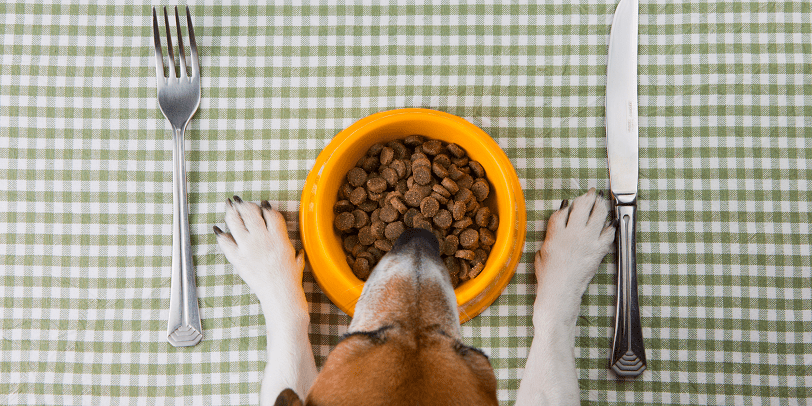
Food is a key element of the bonding and training process between human and canine. By reducing a dog’s desire and motivation for food – this could impact on the strength of bond between human and dog. On top of this, we have to remember that, the last weight-loss drug for dogs on the market had unpleasant side-effects. It’s important that drugs of this nature are effective, but also safe. We know that with human weight-loss drugs people often put the weight back on again, once the medication has ended. Could this also happen with our dogs?
What’s the alternative?
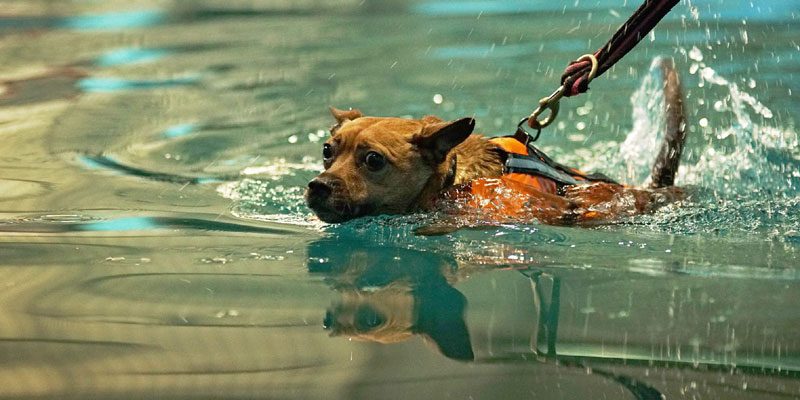
Weight-loss for pets should largely involve a change in diet and exercise. Prescription diets can often help with very obese dogs as they are high in fibre and protein but low in calorie. Increased exercise also helps enormously – but do take care to do this gradually. Low impact exercise such as swimming is great for dogs carrying extra weight. Treats can be replaced with healthier options like carrots and green beans.
Final thoughts.
For now at least – weight-loss drugs for dogs remain a controversial issue. Many veterinarians believe that canine obesity is really an owner issue. Dogs can’t reach into the cupboard by themselves, or fill their own shopping baskets. In addition, many pet owners don’t believe their pet is actually overweight.
If you think your dog is overweight, it’s crucial to seek advice from your vet. Prescription diets can help in a general programme of weight-loss and this is particularly important if your dog is vulnerable to other health conditions as a result of being overweight. Your veterinary practice can support you with helping your dog to slim down with weekly weigh-in’s and dietary/exercise advice.