


Why Dogs Roll On Their Backs.
Rolling on their backs is a something dogs commonly do – and, what’s more, it can be super endearing to see. But why do they do it? Holidays4Dogs looks into the reasons why dogs roll on their backs.
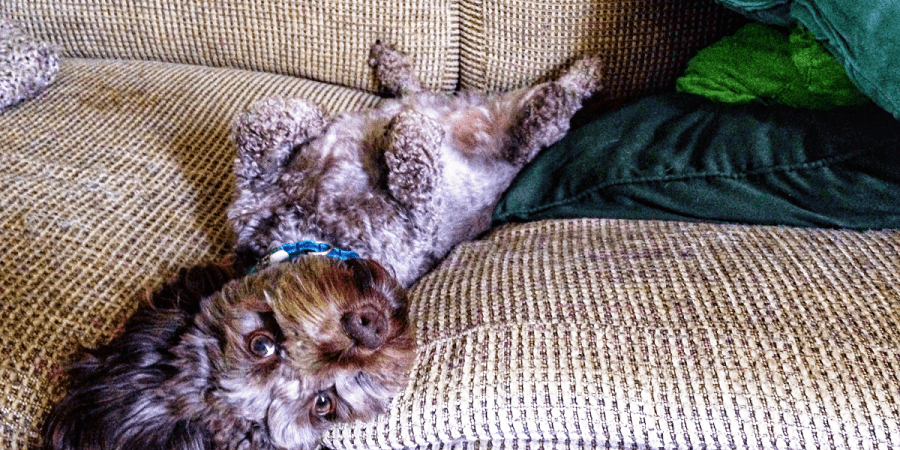
Dogs communicate through body language and rolling on their backs is just one way of showing how they feel. Other times, it might not meaning anything at all and sometimes it could point to a health issue. Read on to find out more about why dogs roll and when it should give cause for concern.
Belly rubs?
What dog doesn’t like a good belly rub? Well, actually, while some dogs do enjoy a good tummy scratch, others may be not so keen. If you’re dog is happy and relaxed, with their tail wagging and tongue lolling, you can be confident you’re dog is inviting a nice tummy massage.
Submissiveness.
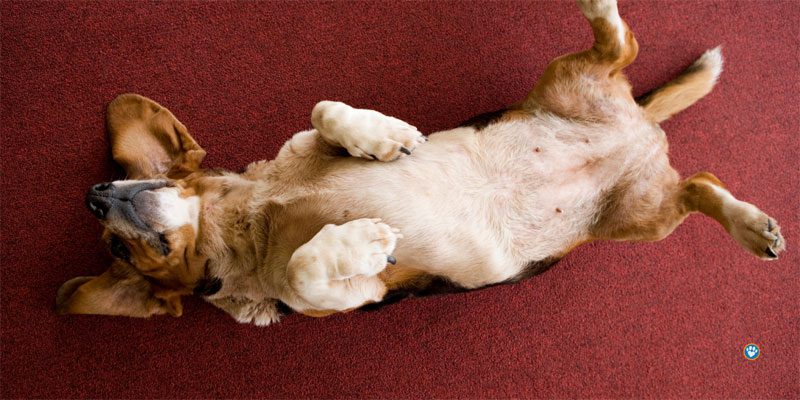
They may also display this behaviour to show they mean no harm – particularly if they are being told off. If your dog seems fearful and tense – or, even urinates at the same time – it is a sign the dog is more unsure, or frightened. Touching a dog in this state may initiate growling, or even snapping from a place of fear.
Fear.
Dogs may expose their bellies if they feel threatened or, frightened. This is connected to submissiveness and it’s aimed at diffusing conflict. For example, if a timid dog is surrounded by much bigger dogs, they may roll on their back to show submission and make it clear they don’t want any trouble!
The main issue to consider when a dog is rolling on their back in fear is they may be more inclined to bite when stroked. Therefore, it’s important to note the context, when the dog displays this behaviour. See more on this below.
Stinky.
Dogs will commonly roll on their backs when they’re trying to cover their own scent with something smelly – cow dung, perhaps? (Yuk). It’s not that clear why dogs do this, but it may be an evolutionary strategy which gave wild dogs more success while hunting for prey.
They may also roll on the ground as a means of leaving their own scent in the vicinity, or even because they just like the smell, maybe? A sort of doggy perfume?

Itchy, scratchy.
Another common reason for rolling, is to scratch an itch. Naturally, dogs aren’t able to reach that hard-to-get-at-itch, so rolling on their backs – especially on rough ground, or a spikey toy – can bring welcome relief. If your dog is rolling around a lot and constantly scratching, make sure they are not suffering from any health issues like, parasites, or skin infections.
Too hot.
When the temperature rises, a good way for dogs to cool down is by rolling on their backs and exposing their bellies. The tummy area generally has a little less fur so, exposing this to the breeze, can help them feel cooler. Dogs only sweat from the pads on their paws – so by lying on their backs, with their feet in the air, this can also provide the pads with a cooling breeze.
Petting a dog when they are lying on their back.
It’s important to pay attention to body language and context when a dog is rolling on their back. If the dog seems relaxed and ‘loose’ they are probably wanting to have tummy tickles.
You can test this ( as long as you think the dog is not frightened), by briefly stroking the dog, then removing your hand. If the dog paws you, or squirms, trying to get you to pet them some more, this is a sign the dog is comfortable and happy.

If the dog is fast asleep on their back, it’s also sensible, not to startle them in this vulnerable position.
However, if they seem tense, tucked tail, tight lips, or ‘whale eyed’ these are signals the dog may be feeling threatened or, scared. In this case, it is important not to crowd the dog. Instead, help them feel more relaxed by encouraging them up onto their feet and reassuring them without leaning over them.
Final thoughts.
While dogs can’t communicate with us with words, they still communicate with their behaviours and expressions all the time. Learning to understand these signals and patterns of behaviours, goes a long way towards avoiding negative situations – as well as recognising when dogs are showing us how happy they are.